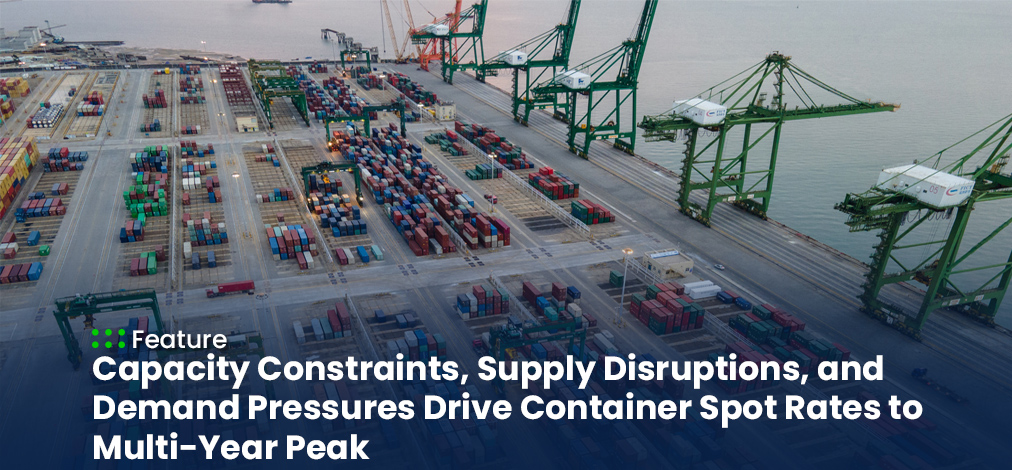
Global container shipping schedule reliability deteriorated further in September as congestion across key Asian gateways continued to affect vessel schedules resulting in delays. According to Xeneta data, this was the fourth consecutive month of declining schedule reliability with only 27% of container vessels arriving on time, while average delays increased to six days.
Asia-related trades have been particularly affected. Carl Zhao, Shipco’s Regional Director for North China, said typhoon-related disruptions in China contributed to substantial vessel backlogs at Shanghai/Ningbo.
These backlogs have disrupted regional services, with delays subsequently spreading across the wider shipping network. Singapore is among the ports experiencing the downstream effects. Xeneta reported that daily vessel queues there have nearly doubled and waiting times have increased as the port absorbs congestion originating in China.
Linerlytica’s Global Container Port Congestion report, dated October 10, indicated that congestion remained widespread across several major Asian and transshipment hubs. The data identified Shanghai/Ningbo, Singapore, Busan, Port Klang, Qingdao, Hong Kong, and Colombo among the ports with the highest volumes at anchorage.
The challenges faced at Asian gateways has also reflected in vessel arrivals in Europe and North America. According to Xeneta’s assessment, schedule reliability from the Far East to Europe fell to 4%, with average delays approaching 10 days in September. Far East to North America reliability stood at 20%, while average delays increased to nearly seven days.
With sailing schedules under continued pressure, flexibility in shipment planning remains important. Xeneta recommended in its assessment that shippers in Europe and North America allow for more lead time for bookings.
Herbert Lee, Shipco’s Regional Director for Hong Kong & South China, said that for forwarders, close coordination, flexibility in carrier selection, and early planning will help minimize disruption. “Customers who are prepared to adjust booking arrangements and delivery schedules will be better positioned to mitigate delays, control costs, and minimize disruption to their shipments,” he explained.
Source: Xeneta, Shipco Transport, Linerlytica