Shippers are advised to secure space and create contingency plans due to anticipated air cargo capacity shortages from key Asian markets during the peak season. According to a Xeneta and Tiaca webinar, dynamic load factors from Asia Pacific to Europe were 86% and 88% to North America in July, which is atypically high for this time of year.
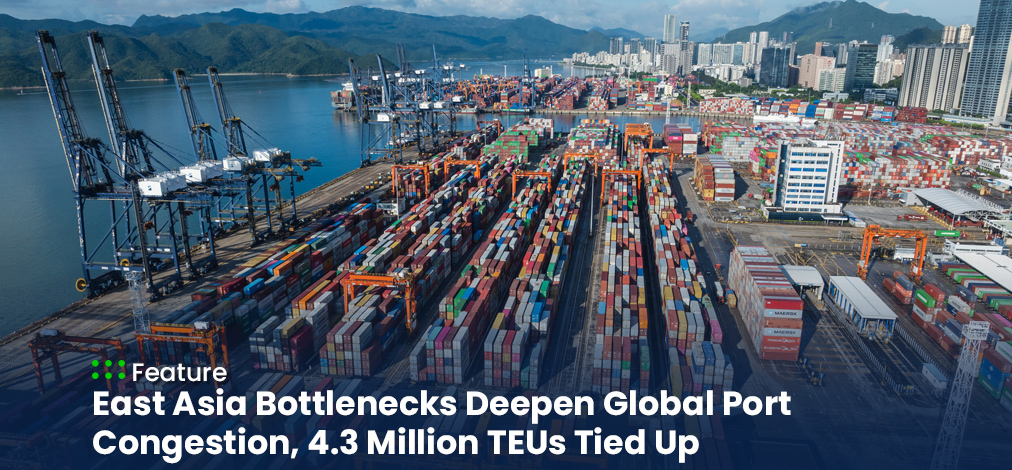
The situation is expected to deteriorate as general cargo volumes increase, e-commerce continues to surge, and ocean shipping remains disrupted. Only 49% of ocean shipping services from Asia to Europe were on time in June, compared to 70% last year. This has narrowed the cost gap between ocean and air shipping, with air freight now only four times more expensive than ocean shipping, compared to ten times pre-Covid.
Potential strikes at US East and Gulf Coast ports in October could further strain the situation. If ports shut down, cargo may need rerouting through the West Coast, adding time and cost, or need to shift to air cargo.
Niall van de Wouw, chief airfreight officer at Xeneta said shippers are securing long-term deals, blocking space, using index-linked contracts, and considering alternate routes to mitigate risks. Tiaca’s director general, Glynn Hughes, noted that unlike last year’s unexpected e-commerce surge, there is time to plan for contingencies.
Source: Air Cargo News